

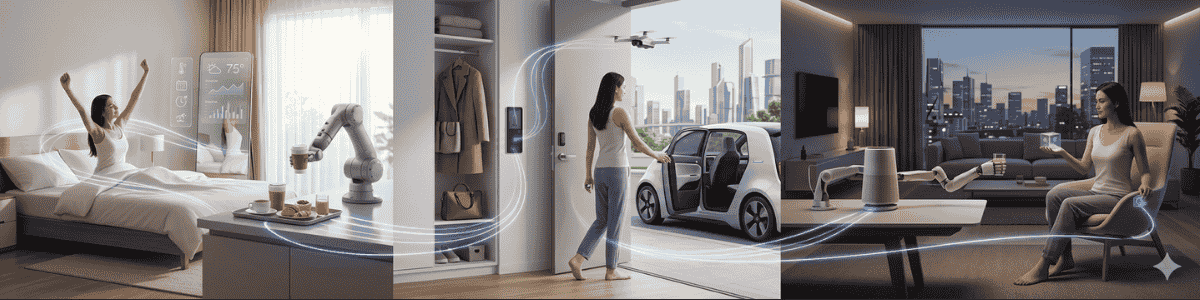
AI Is Moving Beyond Screens
Artificial intelligence is no longer limited to chatbots, apps, or virtual assistants. In 2026, AI is becoming physical.
From smart rings and AI glasses to intelligent home hubs and predictive appliances, a new generation of gadgets is transforming how people live and work. These devices do not just respond—they anticipate.
They learn habits, understand routines, and make decisions before users even ask.
This shift marks the rise of ambient intelligence, where technology blends into everyday life without demanding constant attention.
The future of AI is not only digital.
It is wearable, touchable, and always present.
What Are AI-Powered Gadgets?
AI-powered gadgets are devices that use machine learning, sensors, and real-time data to provide proactive support.
They include:
- Smart rings for health and authentication
- AI glasses for navigation and contextual assistance
- Intelligent speakers and home hubs
- Predictive health devices
- Smart security systems
- AI-powered earbuds and assistants
- Adaptive workstations and connected appliances
Unlike traditional smart devices, these products focus on prediction rather than simple automation.
They are designed to reduce friction in daily life.
Predictive Technology Is the New Standard
The biggest difference in 2026 is that devices no longer wait for commands.
They predict.
For example, a smart ring may detect rising stress levels and recommend recovery time. AI earbuds may summarize meetings automatically. A home assistant may adjust lighting, temperature, and scheduling based on behavioral patterns.
This moves AI from convenience to decision support.
Brands like Amazon, Apple, Google, and Samsung are heavily investing in this ecosystem.
The goal is simple: less manual interaction, more intelligent assistance.
Smart Homes Are Becoming Invisible Systems
The modern smart home is changing fast.
Instead of controlling devices manually through apps, users now expect environments that respond automatically. AI can optimize energy usage, monitor security, manage grocery planning, and even support elder care through behavior recognition.
This makes homes feel less like connected gadgets and more like adaptive systems.
The best technology becomes invisible.
When users stop noticing the interface, the system is working.
This is the real promise of physical AI.
Health and Wellness Are Leading Adoption
Health technology remains one of the strongest drivers of AI gadget growth.
Consumers want real-time monitoring without constant effort. Wearables now provide sleep analysis, metabolic tracking, stress detection, and long-term wellness predictions.
This turns personal health into continuous intelligence rather than occasional checkups.
Devices like Oura Ring and AI-enabled wellness platforms are helping users make daily health decisions based on live biometric data.
Preventive care is becoming personalized infrastructure.
Privacy and Trust Will Decide the Winners
As AI gadgets become more personal, privacy becomes more important.
Devices that track behavior, health, and location must be trusted.
Users are asking critical questions:
Who owns the data?
Where is it stored?
How is it used?
Companies that prioritize transparency, local processing, and strong security will lead this market.
AI adoption is no longer just about innovation.
It is about trust architecture.
Final Thoughts
AI is going physical because people want technology that feels natural, not demanding.
The future belongs to devices that work quietly in the background—anticipating needs, reducing decisions, and improving everyday life without adding digital noise.
AI-powered gadgets in 2026 are not simply smarter versions of old devices.
They represent a new relationship between humans and technology.
From homes to healthcare to personal productivity, the next wave of innovation will not be another app.
It will be intelligent systems embedded into the real world.
The screen is no longer the center.
The environment is.
